
 Children are active, and accidents can happen in an instant. A fall on the playground, a collision during sports, or even biting into something hard can leave a child with a chipped tooth. Fortunately, many chipped teeth can be repaired, and the treatment may be simpler than parents expect.
If your child chipped a tooth, the first thing to understand is that not all chips are equally serious. A small chip may only require smoothing a rough edge, while a larger fracture may need treatment to protect the tooth.
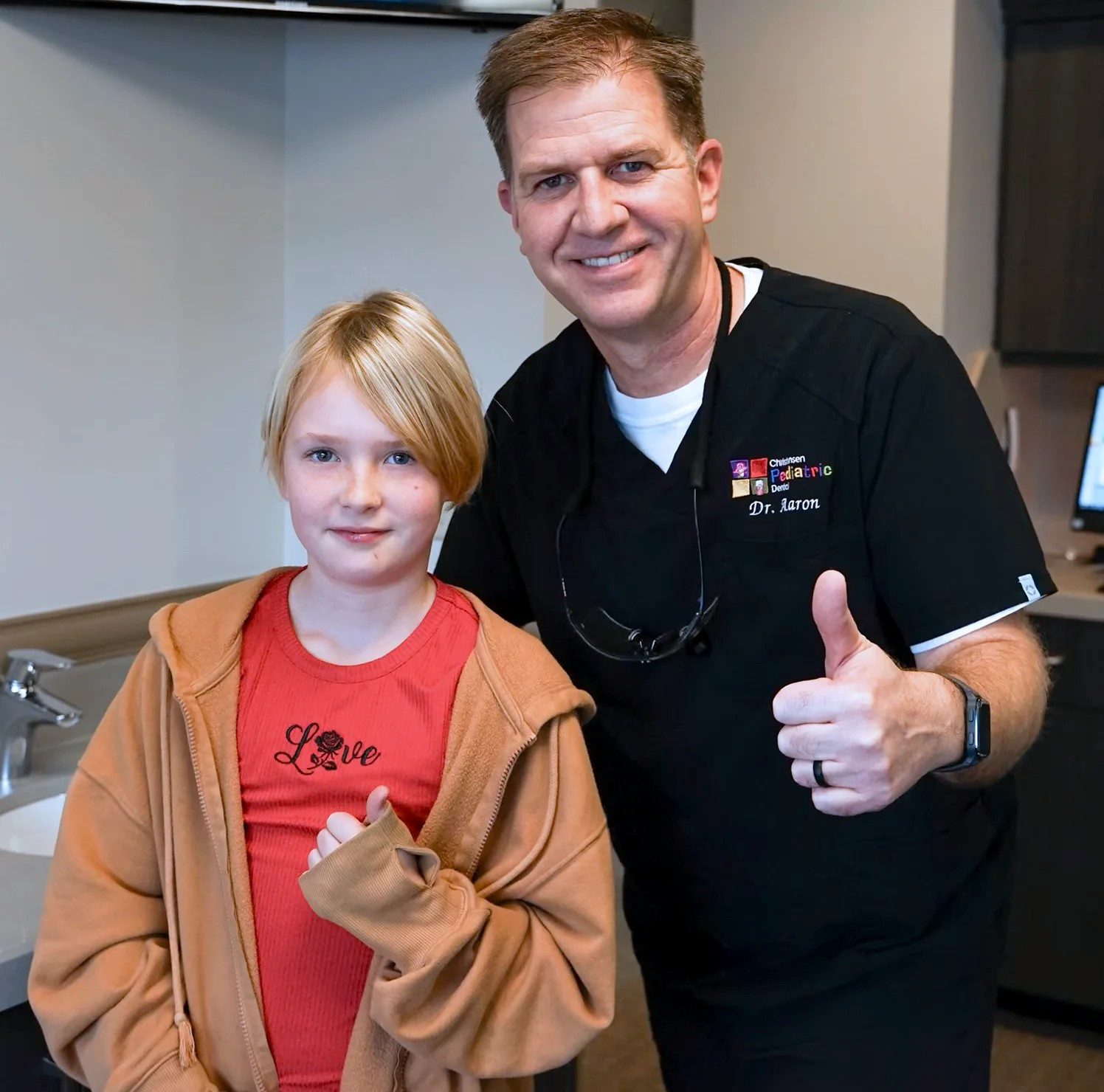
At Christensen Pediatric Dental in Ogden, Dr. Aaron Christensen and our team treat injuries to both baby teeth and permanent teeth. We can evaluate the damage, explain the treatment options, and help you understand what to expect.
What to Do When Your Child Chips a Tooth
Start by checking your child’s mouth for bleeding, swelling, or other injuries. If your child is upset, help them settle down so you can get a better look at the damaged tooth.
Here are some steps you can take at home:
- Rinse their mouth gently with water. This helps remove debris and makes the injury easier to examine.
- Apply gentle pressure if there is bleeding. Use clean gauze or a soft cloth.
- Use a cold compress. Hold it against the outside of the cheek to help reduce swelling and discomfort.
- Save any broken tooth fragments. Place them in milk or saline and bring them to the dental appointment. Sometimes a fragment from a permanent tooth can be reattached.
- Offer soft foods. Avoid hard or crunchy foods until the tooth has been examined.
Contact Christensen Pediatric Dental so our team can help determine how soon your child should be seen.
How Serious Is a Chipped Tooth?
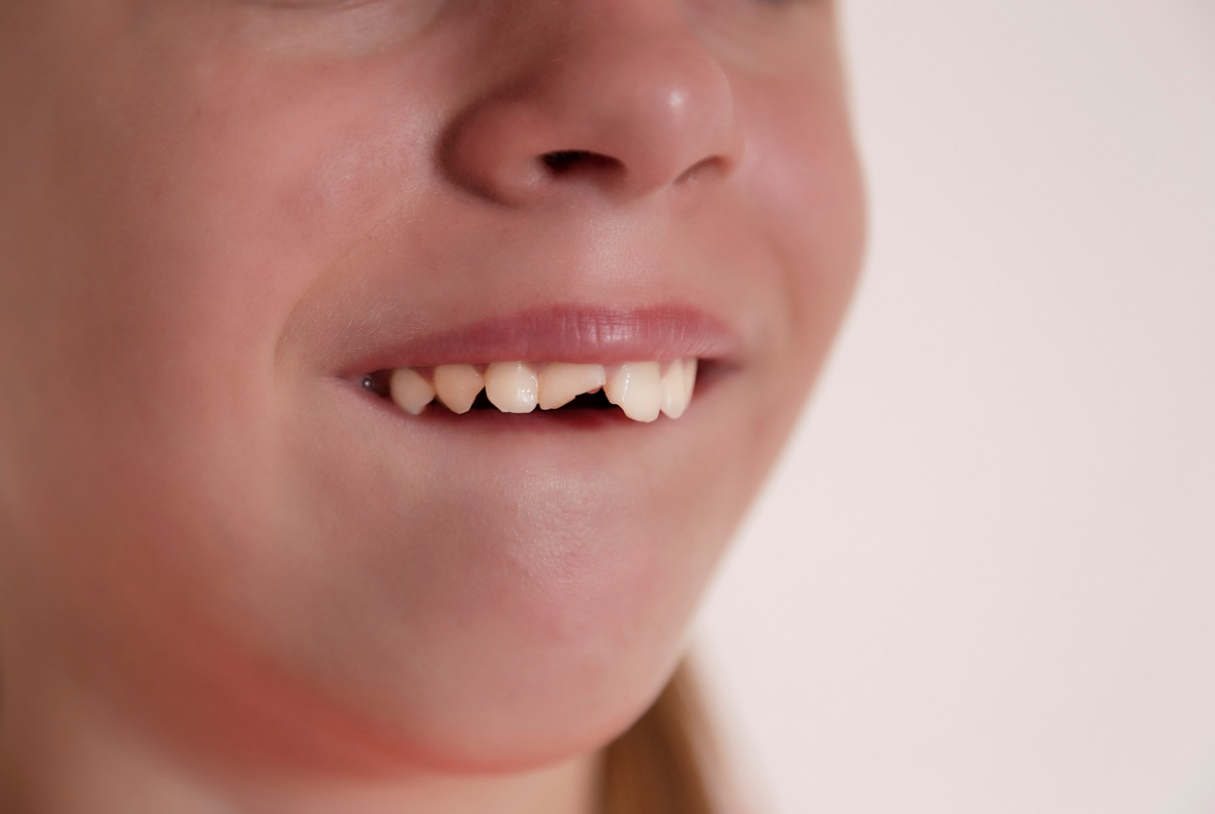 The seriousness of a chipped tooth in children depends on how much of the tooth has broken and which layers are affected.
Minor enamel chips: A small chip involving only the outer enamel may cause no discomfort. However, it can leave a rough edge that irritates the tongue or cheek.
Chips exposing dentin: Beneath the enamel is a layer called dentin. When it becomes exposed, the tooth may be sensitive to cold foods, drinks, or pressure.
Fractures involving the pulp: The pulp contains nerves and blood vessels. If a fracture reaches this tissue, the tooth may be painful or bleed from the exposed area. Prompt dental treatment is important.
A tooth may also become loose or displaced during an accident.
The American Academy of Pediatrics provides additional guidance on tooth injuries in children, including symptoms that indicate when dental attention is needed.
Does It Matter Whether Your Child Chipped a Baby Tooth or Permanent Tooth?
Yes. Although both types of teeth may require treatment, there are important differences in how dental injuries are managed.
When your child visits our office after a dental injury, Dr. Christensen will examine the tooth, gums, and surrounding tissues. Dental X-rays may be recommended to evaluate the roots and look for damage that is not visible during the examination.
Treatment depends on the location and severity of the fracture, whether the tooth is a baby tooth or permanent tooth, and whether the pulp has been affected.
Chipped Baby Teeth
Baby teeth play an important role in chewing, speaking, and maintaining space for permanent teeth.
When a baby tooth is chipped, Dr. Christensen considers the extent of the damage, whether the tooth is painful, and how soon it is expected to fall out naturally.
A minor chip may only require smoothing. Other injuries may need a restoration or monitoring. If a baby tooth is severely damaged and cannot be preserved safely, extraction may be recommended.
Chipped Permanent Teeth
Permanent teeth are intended to last a lifetime, so preserving healthy tooth structure is particularly important.
Depending on the fracture, Dr. Christensen may recommend tooth-colored bonding or another restoration to rebuild and protect the tooth.
Because the roots of newly erupted permanent teeth may still be developing, injuries involving the pulp require careful evaluation. In some cases, specialized treatment can help preserve the tooth’s vitality and continued root development.
Some injured teeth also require follow-up examinations because changes to the pulp or surrounding tissues may develop over time.
When Does a Chipped Tooth Require Urgent Dental Care?
Not every chipped tooth is an emergency. However, certain symptoms indicate that your child needs prompt dental attention.
Contact a dentist immediately if your child has:
- A large fracture with visible pink or red tissue inside the tooth
- Significant or persistent tooth pain
- A tooth that is loose, displaced, or pushed out of its normal position
- Bleeding from the exposed interior of the tooth
- A chipped tooth accompanied by substantial gum injury or swelling
A completely knocked-out permanent tooth is also a time-sensitive dental emergency. A knocked-out baby tooth should never be replanted because doing so can damage the developing permanent tooth.
For uncontrolled bleeding, difficulty breathing or swallowing, a suspected jaw fracture, or signs of a serious head injury, seek emergency medical care.
You can find additional information about dental injuries on our Emergency Dentistry page.
Schedule an Appointment for Your Child’s Chipped Tooth
Even when a chipped tooth does not cause pain, it is important to have the damage evaluated. An examination can help determine whether the tooth needs repair, protection, or follow-up care.
At Christensen Pediatric Dental, Dr. Christensen and our team understand that dental injuries can be upsetting for children and parents. We take the time to examine the injury, explain the treatment options, and help your child feel comfortable throughout the visit.
If your child has chipped a tooth, contact our Ogden office to schedule an examination.