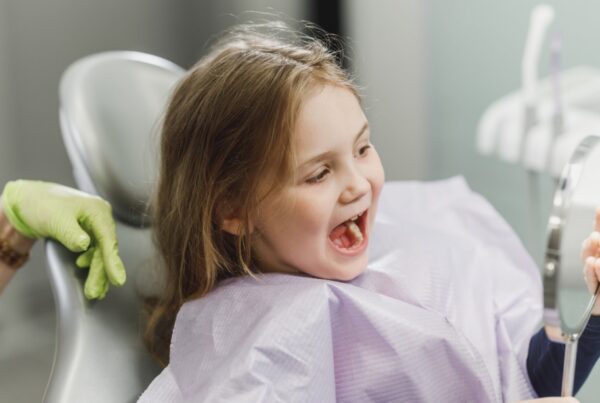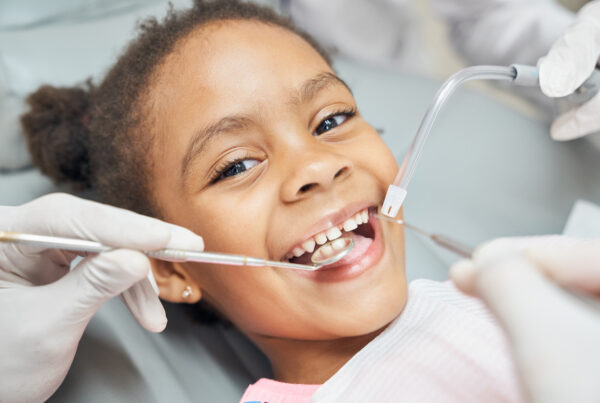

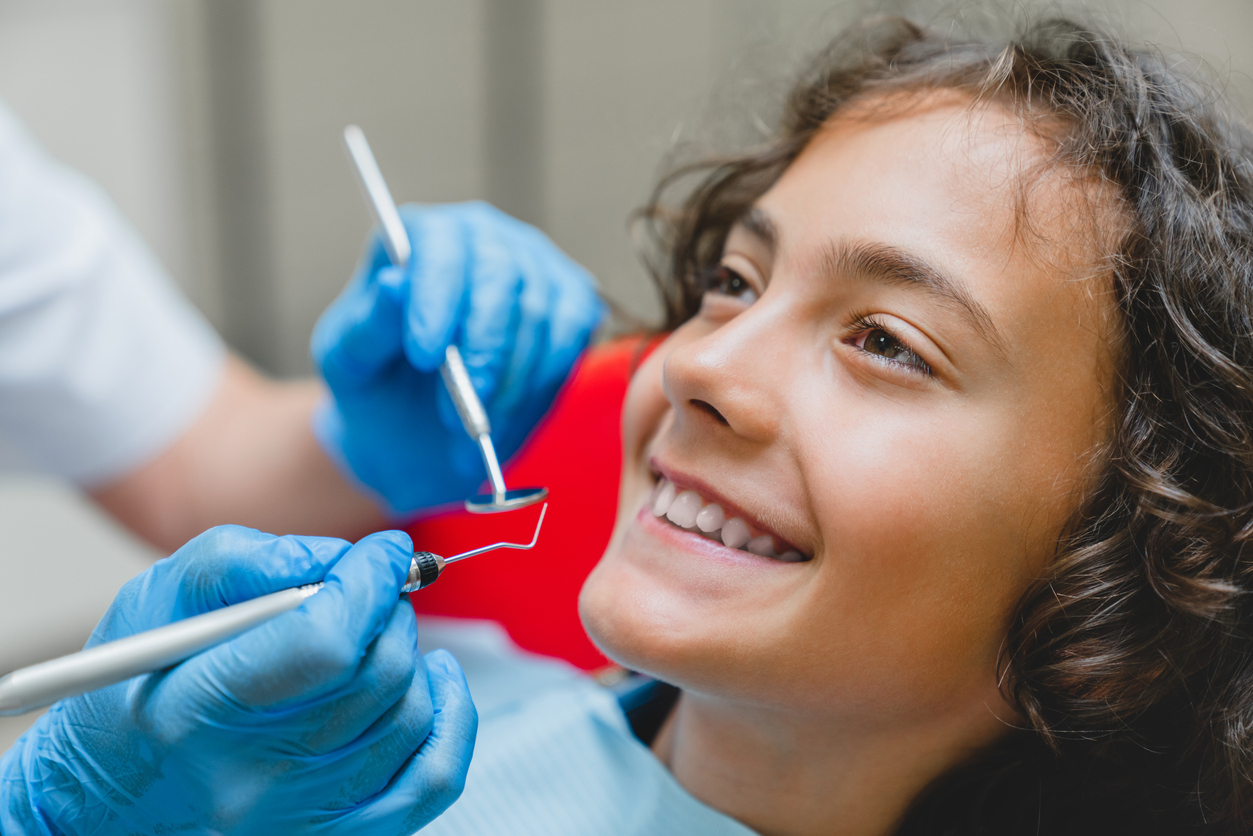
 Your child’s teeth look healthy. They are brushing at home, and nothing seems to be bothering them. So, when another dental cleaning comes around, you may wonder how important it really is to keep that appointment.
One of the most important reasons for regular pediatric dental cleanings is that they are preventive. The goal is not to wait until your child has a toothache or an obvious cavity. A cleaning and preventive visit can help keep healthy teeth healthy, while giving us an opportunity to spot small concerns before they turn into bigger ones.
There are also things happening in your child’s mouth that you cannot necessarily see at home. Plaque can remain in hard-to-reach areas and eventually harden into tartar. New teeth are coming in, brushing habits are changing as children become more independent, and some children are simply more prone to cavities than others.
Understanding what happens during a pediatric dental cleaning and preventive visit can help you see why these appointments remain important, even when everything appears to be going well.
Brushing Is Important, but It Cannot Do Everything
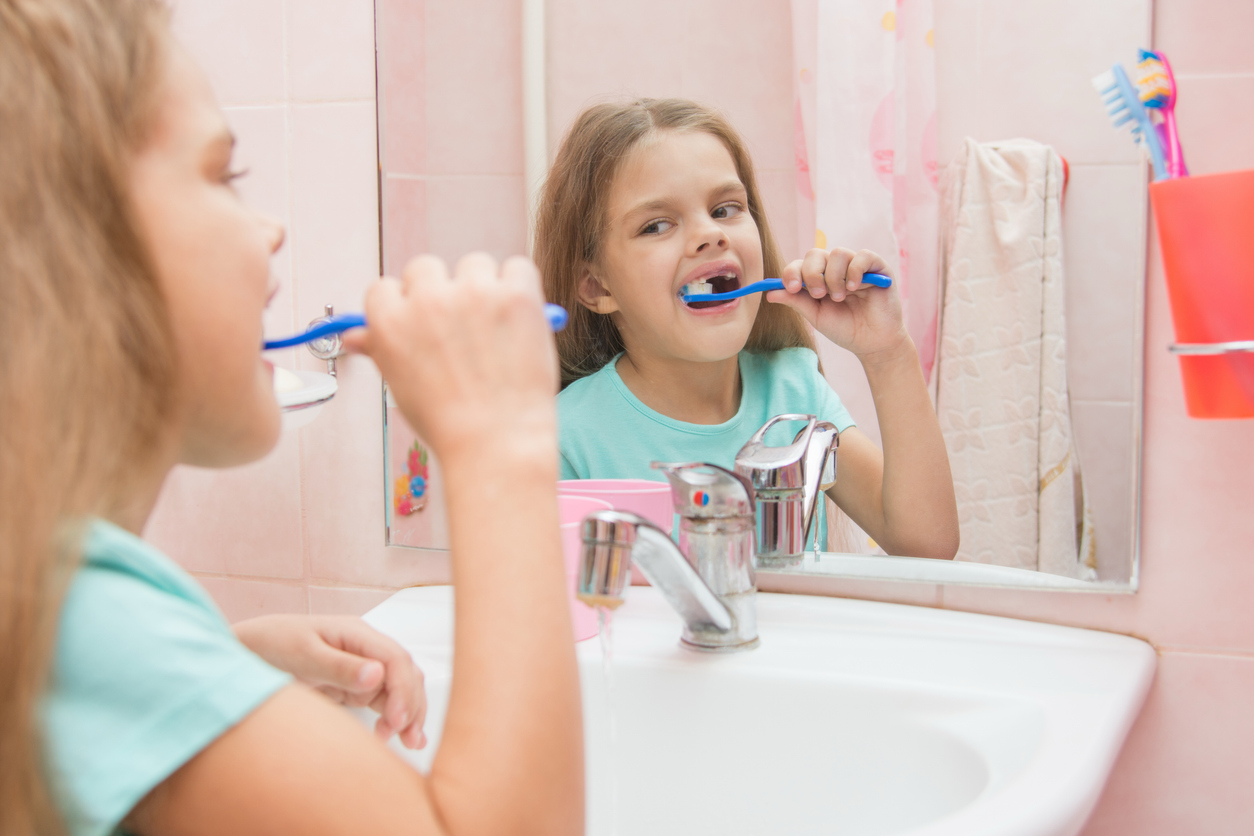 Brushing and flossing at home are your child’s first line of defense against tooth decay. They remove plaque, the sticky film that continually forms on the teeth, before it has a chance to cause problems.
But no one brushes perfectly every time. Children may miss areas around the gumline or toward the back of the mouth. Younger children are still learning and need help, while older children are gradually taking more responsibility for their own dental care. And like adults, children occasionally miss a brushing or do a quicker job than usual.
Plaque that remains on the teeth can begin to harden into tartar surprisingly quickly. The exact timing varies from person to person, but the mineralization process can begin within the first few days. Once plaque has hardened into tartar, it cannot simply be scrubbed away with a toothbrush or removed with floss. It needs to be removed by a dental professional using instruments designed for that purpose.
A professional cleaning removes remaining plaque and tartar and gives us a chance to see where your child may be consistently missing when brushing. The American Academy of Pediatric Dentistry notes that professional cleanings can remove plaque and tartar while also giving the dental team an opportunity to help children improve their brushing and oral hygiene habits.
What Happens During a Pediatric Dental Cleaning and Exam
The cleaning itself is important, but it is only part of a preventive dental visit.
Once plaque and tartar are removed, Dr. Christensen can get a clear look at your child’s teeth and gums. This is an opportunity to look for early signs of tooth decay and other problems that may not be causing pain or be visible to you at home.
That matters because cavities do not necessarily hurt when they first develop. A child can feel perfectly fine while decay is beginning in a tooth.
Children’s mouths are also changing constantly. Baby teeth are coming in and later falling out, permanent teeth are erupting, and the jaws are developing. Regular visits allow us to follow those changes rather than seeing your child’s mouth only when something hurts.
Depending on your child’s age, dental history, and what we see during the examination, Dr. Christensen can also determine when X-rays are appropriate.
Some Children Need More Help Preventing Cavities
You may have two children who eat many of the same foods and have similar brushing routines, yet one seems to get cavities while the other does not.
That can be frustrating, but cavity risk is not exactly the same for every child. Previous cavities, frequent sugary or starchy foods and drinks, brushing habits, and deep grooves or hard-to-clean areas of the teeth can all increase a child’s risk for tooth decay.
Knowing your child’s individual risk helps us decide whether additional preventive care would be useful.
For some children, that may include a professional fluoride treatment to help strengthen tooth enamel and protect against decay. Dental sealants can also protect the deep grooves of permanent back teeth, where food and bacteria can collect and be difficult to remove with a toothbrush.
This is one reason preventive visits are not simply about cleaning your child’s teeth. They give us a chance to determine what your child needs to help protect their teeth as they grow.
Helping Your Child Feel Comfortable at the Dentist
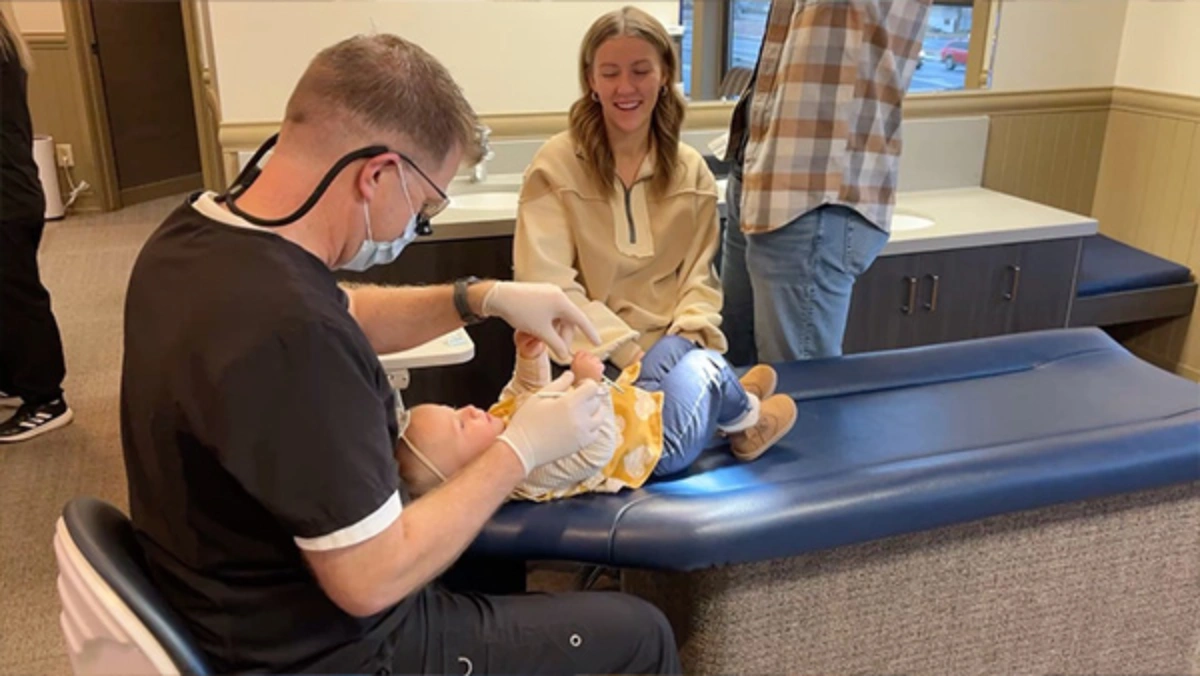 How your child feels about going to the dentist matters, especially when they are young. A routine cleaning gives your child an opportunity to become comfortable with dental care when they are not already dealing with a toothache or another problem.
At Christensen Pediatric Dental, we have created our office specifically with children in mind. Our goal is to provide care in an environment that feels fun, safe, and comfortable while helping children learn to trust the people caring for their teeth.
We also take the time to explain what we are doing in ways children can understand. As your child becomes familiar with our team and what happens during a cleaning and exam, dental visits can become a normal part of taking care of their health rather than something they associate with pain or a dental problem.
For a child who is nervous or unsure about visiting the dentist, those positive experiences can be especially valuable. Our approach begins with your child’s first visit, when becoming comfortable with our team and surroundings is an important part of the appointment. Regular preventive visits give us time to continue building that familiarity and help your child become more comfortable with dental care at their own pace.
How Often Does Your Child Need a Pediatric Dental Cleaning?
For many children, preventive dental visits are recommended about every six months. However, the right schedule can depend on your child’s individual dental needs.
A child who has had several cavities or has other factors that increase the risk of tooth decay may need a different preventive schedule than a child with a lower risk. Dr. Christensen can recommend how often your child should be seen based on their oral health.
The important point is not to wait for pain to decide that it is time for a dental visit. Preventive care is most useful when we can protect your child’s teeth and identify concerns before they become painful or require more extensive treatment.
Keeping a Healthy Smile Healthy
When your child’s teeth look good and nothing hurts, it can be easy to think there is not much for the dentist to do. In many ways, though, that is exactly when we want to see them.
Brushing and flossing at home help protect your child’s teeth every day. Pediatric dental cleanings and preventive visits add another layer of protection by removing tartar, checking for early problems, following changes as your child’s mouth develops, and determining whether additional preventive care would be beneficial.
At Christensen Pediatric Dental in Ogden, our goal is to help your child keep a healthy smile, not simply treat problems after they develop.
Schedule your child’s next pediatric dental cleaning with Christensen Pediatric Dental and give us the opportunity to help keep their teeth healthy as they grow.